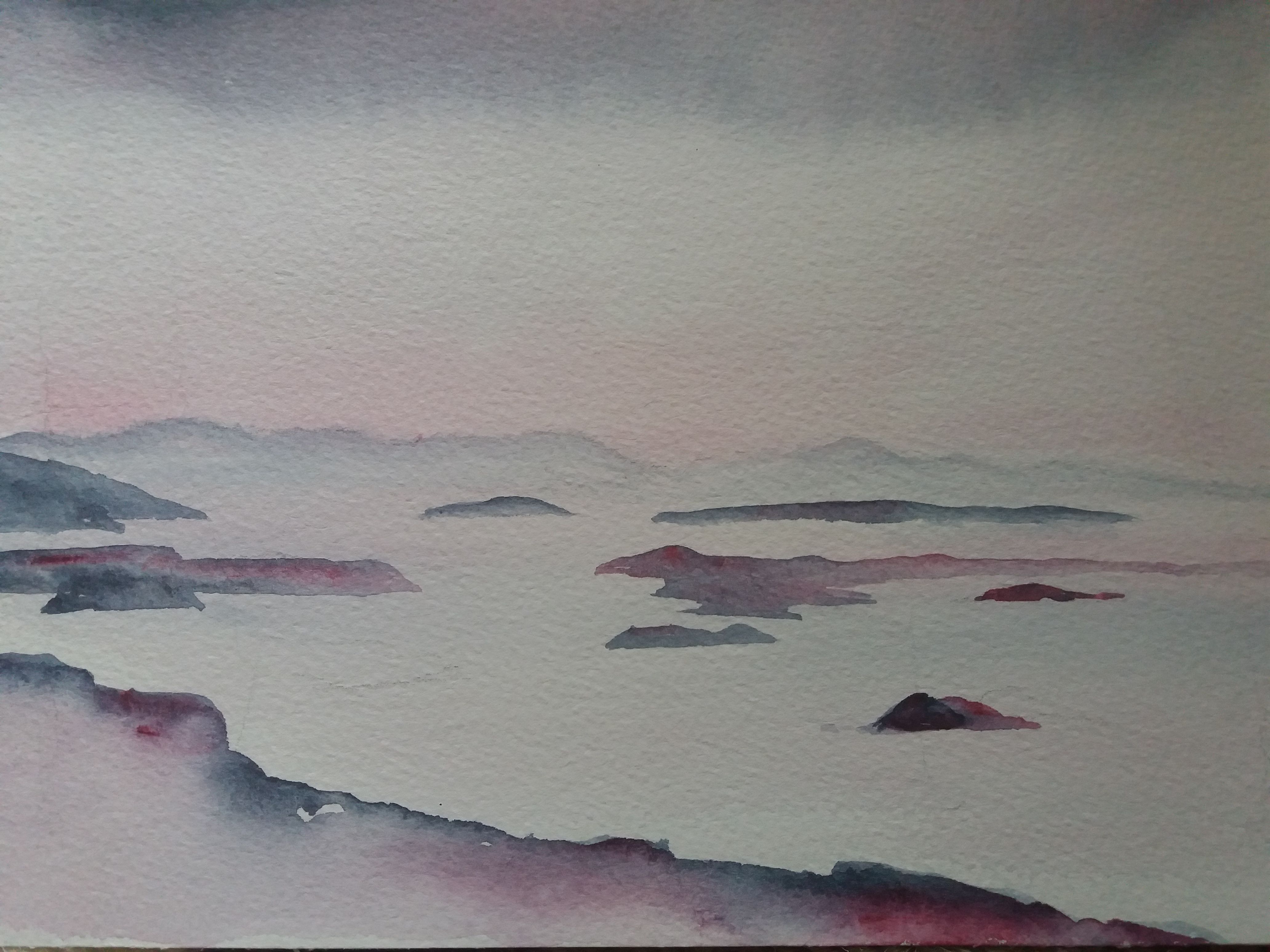
 This is the view from the Nahdweh Lookout, Wikwemikong, Manitoulin Island, Ontario as interpreted by my mindful soulmate a few weeks ago. She is looking across Lake Huron from the north-east corner of the biggest freshwater island in the world. Wikwemikong is famous as the only part of Canada never ceded to the colonial powers by First Nations people.
We were on the Bebamikawe Memorial trail, which turned out to be a magical, mystical walk under maples, firs and birches with Spring sunlight dappling the scattering of fresh white trillium flowers on the forest floor. We were adopted by three dogs at the trailhead, I named them ‘red dog’, ‘white wolf’ and ‘bouncy pup’. Red dog stayed with us all the way, as a self-appointed guardian. It was not difficult to imagine the spirits of Wikwemikong walking with us. I attempted to capture this in a prose poem, grounded by a steady drum-like rhythm.
Hiawatha it is not. How dare I write this piece from the point of view of ‘we’ (the Spirits of Wikwemikong) about ‘you’ (myself)? The debate about cultural appropriation grumbles on, in my head and in the media. I suspect it always will, in one form or another. It’s about respect and not being careless; about diligent research and earning the right to write. I know I have not engaged sufficiently with anyone from Wikwemikong, I have not listened for long enough. The prose poem follows our experiences on a circular trail. I finish where I started, a little wiser, perhaps, but my ‘Spirits of Wikewemikong’ won’t be going far. During our Canadian holiday, I was fascinated to hear my nephew’s account of spending weeks learning, with others, how to make a First Nations canoe, using original materials and techniques. It took time. Time and respect.
Our stay on Manitoulin gave me the opportunity to tap out a few thousand more words of Novel 2 and continue to flesh out the character of Professor Sir Hereward Innes. I introduced his first chapter to the novelists’ group of Leeds Writers Circle last weekend. They are not convinced, yet, but I hope the three short chapters they read in July will make him more believable. He is a media-friendly fertility expert with a successful private practice in London, currently dealing with the death of his aged mother, the aftermath of his second divorce, his estrangement from his daughter and some deaths associated with an anticoagulant drug he helped to develop. Although I am not a philandering alpha male, and my only venture into private medicine was charging some French tourists 400 Kenyan Shillings in 1984, I have no concerns about writing Hereward. 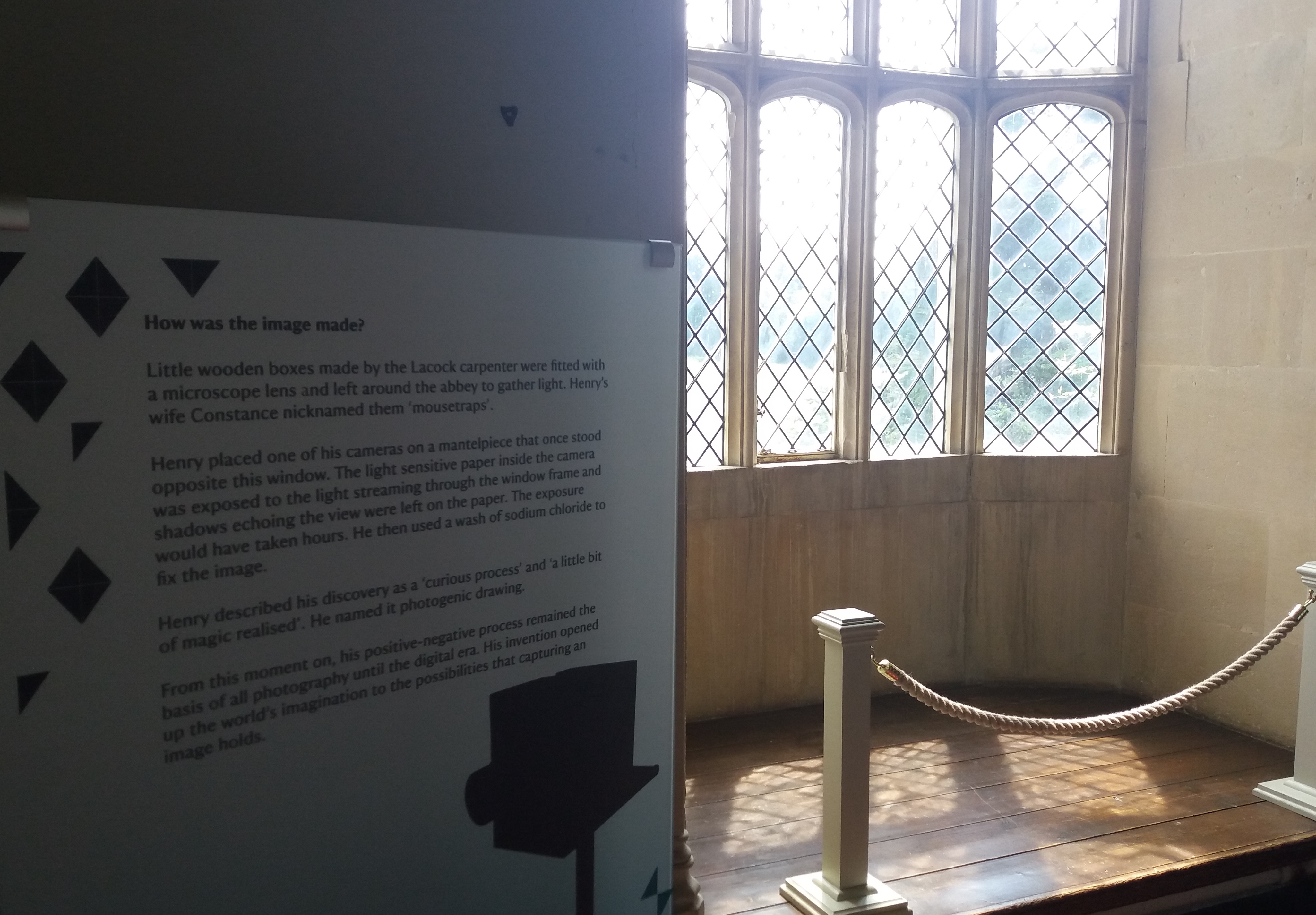
Last weekend we stayed with my son and daughter-in-law in Bristol. We visited Lacock where I was intrigued to read about the Fox Talbot and the foundations of photography. He kept his discovery a secret until Daguerre went public with his – perhaps Talbot should have told his scientific chums earlier?
I was less impressed to find this very dead pangolin on a mantelpiece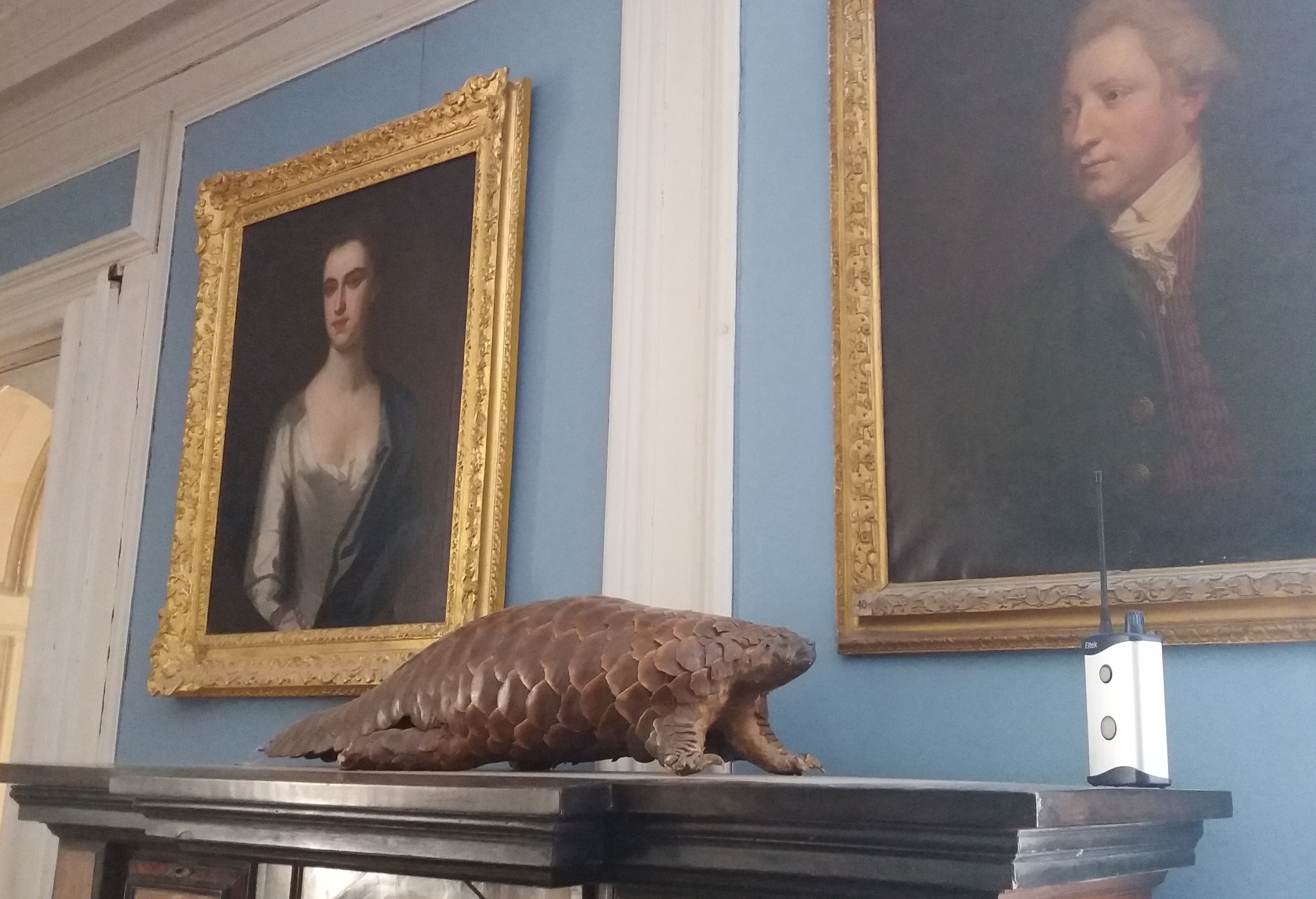 at Lacock, looking like it is trying to communicate via the intercom. Perhaps the National Trust can add their voice and highlight the plight of the remaining pangolins worldwide? It will be tragic if the only pangolins left by 2050 are museum exhibits. Perhaps Pangolin 32 has given you something to think about? I look forward to releasing another into the wild on July 13th.